1.800.221.5175
Mathematics
Progress in Mathematics Grades K–6
Core Program
Full Access
Progress in Mathematics Grades 7–8+
Core Program
Full Access
Sadlier Math Grades K–6
Core Program
Full Access
Sadlier PreK with Wiley Blevins
Knowledge-Building Early Childhood Program
Progress Mathematics Grades K–8
National Program
Full Access
New York
Preparing for Standards Based Assessments
Grades 7–8
Critical Thinking for Active Math Minds
Grades 3–6
Reading & Writing
From Phonics to Reading Grades K–3
Print Program
Interactive Practice Bundle
Fluency Booster Practice Book
Interactive Assessments
Building Reading Success with Wiley Blevins Grades K–5
Tier 2 & Tier 3 Intervention for Grades K–5
Sadlier Phonics
Grades K–3
Sadlier PreK with Wiley Blevins
Knowledge-Building Early Childhood Program
Sadlier Handwriting Practice
Grades K–5
Progress English Language Arts Grades K–8
National Program
Full Access
New York
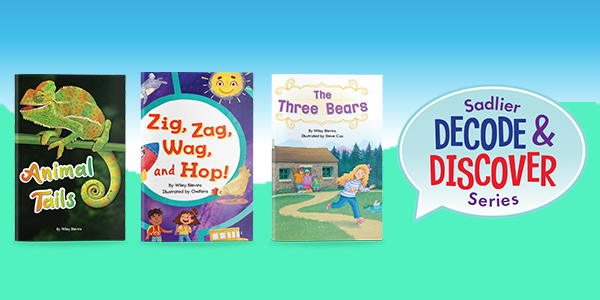
Sadlier Decode & Discover Series
Grades K–6
Early Literacy Manipulatives Kit
Grades K–5
Early Literacy Library
Grades K–5
Close Reading of Complex Texts Grades 3–8
Print Program
Interactive Edition
Vocabulary
Vocabulary Workshop, Tools for Comprehension Grades 1–5
Print Program
Interactive Edition
Vocabulary Workshop Achieve Grades 6–12+
Print Program
Interactive Edition
Vocabulary Workshop, Tools for Excellence Grades 6–12+
Print Program
Interactive Edition
Vocabulary Workshop Select
Grades 6–12
Vocabulary for Success
Grades 6–10
Grammar
Grammar Workshop, Tools for Writing
Grades 2–5
Grammar Workshop
Grades 6–8
Grammar for Writing
Grades 6–12
Intervention
Building Reading Success with Wiley Blevins
Tier 2 & Tier 3 Intervention for Grades K—5
Early Literacy Manipulatives Kit
Grades K–5
Professional Learning
Services

What Is the Science of Reading?

The Science of Reading is a body of research from cognitive science, linguistics, and education that explains how children learn to read. It emphasizes the importance of systematic, explicit instruction in five essential components: phonemic awareness, phonics, fluency, vocabulary, and comprehension. When instruction is aligned to this evidence, educators are better equipped to ensure all students develop strong, lasting literacy skills.

Why it Matters

Reading is not a natural process—it must be taught. The Science of Reading provides educators with a clear roadmap for instruction, explaining how the brain learns to decode and make meaning from text. By following this research, schools can:

  • Close achievement gaps
  • Support struggling readers
  • Deliver equitable and effective literacy instruction for all learners

How Does Scarborough’s Rope Work with the Science of Reading? 

Developed by Dr. Hollis Scarborough, the Reading Rope is a widely used visual model that illustrates how skilled reading develops over time. The rope weaves together two essential strands:

  • Word recognition (phonological awareness, decoding, and sight recognition)
  • Language comprehension (background knowledge, vocabulary, verbal reasoning, literacy knowledge)

The rope reinforces a core principle of the Science of Reading: reading is not a single skill but a combination of interconnected processes.

What It Looks Like in Classrooms

When applied in the classroom, the Science of Reading transforms instruction. Teachers use explicit, systematic lessons that build skills step by step, ensuring mastery before moving forward. Instruction is multisensory, engaging students through listening, speaking, reading, and writing. Ongoing assessment plays a critical role, allowing educators to:

  • Identify learning needs early before gaps widen
  • Monitor progress over time with actionable data
  • Provide targeted, timely support when it matters most

How Sadlier Aligns 

Our literacy programs are directly aligned with the principles of the Science of Reading. Educators will find these principles embedded across Sadlier programs—from early literacy through intervention and secondary instruction:

  • Structured, explicit phonics instruction
  • Scaffolded practice that supports skill development
  • Rich opportunities to build background knowledge, vocabulary, and language comprehension

Each program gives teachers the tools they need to deliver effective literacy instruction while maintaining flexibility and allowing educators to adapt instruction to diverse learners while staying true to the research.

Building Confident, Lifelong Readers 

When schools use a curriculum aligned with the Science of Reading, they ensure that students not only learn to read, but also develop a love of reading. With strong foundational skills, children gain confidence, access knowledge across subjects, and become lifelong learners. Sadlier School is proud to partner with educators in this mission, bringing research-based literacy instruction to classrooms.

Science of Reading Solutions

Sadlier-PreK-program-book-logo

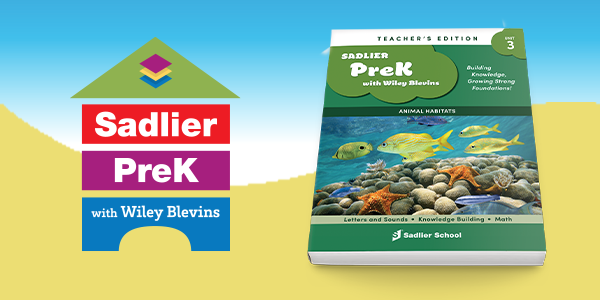
Sadlier PreK with Wiley Blevins
PreK

Builds knowledge and literacy foundations in oral language, phonemic awareness, and print concepts
See the Evidence
Learn More
sadlier-early-literacy-library-books-logo

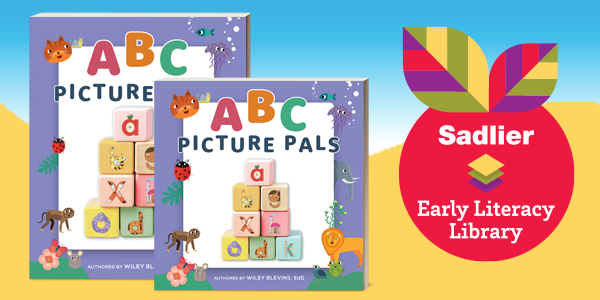
Sadlier Early Literacy Library
PreK–K

Introduces letters and sounds while building vocabulary and background knowledge
Learn More
from-phonics-to-reading

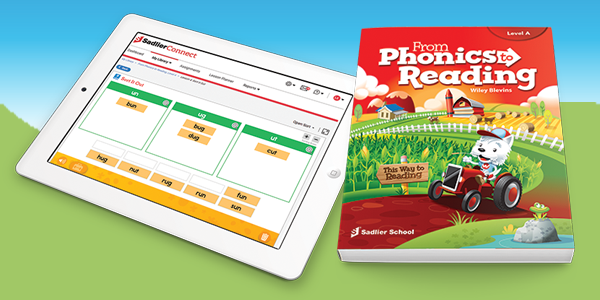
From Phonics to Reading
Grades K–3

Builds reading skills: phonemic awareness, phonics, fluency, vocabulary, and comprehension
See the Evidence
Learn More
building-reading-success

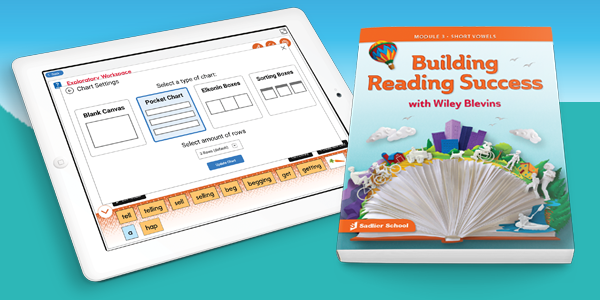
Building Reading Success with Wiley Blevins
Grades K–5

Targets skill gaps through practices such as orthographic mapping, morphology, and syntax
See the Evidence
Learn More
book-covers-of-sadlier-decode-discover-program

Sadlier Decode and Discover
Grades K–3

Strengthens decoding and comprehension through engaging texts and practice
Learn More
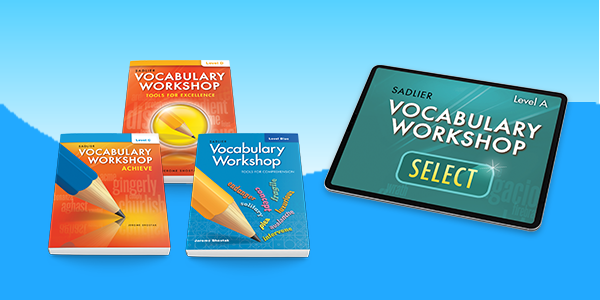
book-covers-tablet-of-sadlier-vocabulary-programs

Vocabulary Workshop programs
Grades 1–12+

Builds word knowledge via direct, explicit instruction, engaging content, and a structured sequence
Explore Programs
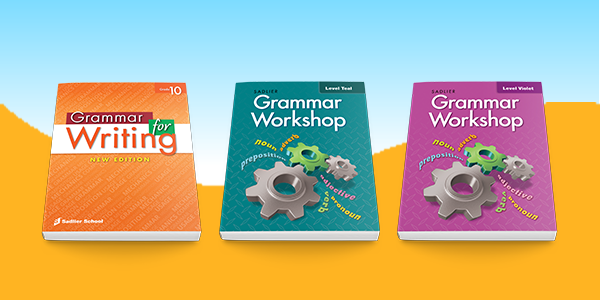
book-covers-of-sadlier-grammar-programs

Grammar Workshop programs
Grades 2–8

Ensures explicit, systematic instruction in language structure and applying skills in context
Explore Programs

From Our Authors and Experts:

“Teaching reading is one of the best gifts we can give a child because it can never be taken away. The Science of Reading reveals how every educator can use its findings to meet the majority of young students’ literacy needs efficiently, effectively, and with equity.”
Wiley Blevins

Ready to bring Science of Reading-aligned instruction to your classroom?

Contact Your Sales Rep