Epiphany: A Feast That Brightens January
In early January, families across Spain are preparing for a beloved celebration of the Christmas season: Epiphany, known locally as El Día de Reyes. Rooted in the Gospel account of the Magi and enriched by centuries of regional custom, Reyes remains a day when faith, community, and wonder come together in captivating ways.
This post explores the religious meaning of Epiphany, the history and heart of Spain’s Reyes traditions, and simple ways to help children encounter the story of the Magi with joy and understanding, whether in the classroom or at home.
What Is Epiphany?
Epiphany commemorates the moment Christ is revealed to the nations through the visit of the Magi. Guided by a star, these wise figures from the East sought the newborn king and offered him gifts of gold, frankincense, and myrrh (Matthew 2:1–12). The feast draws its name from the Greek epiphaneia, meaning “manifestation,” signaling that Jesus comes as Savior not only of Israel, but of the whole world.
Within the Church’s liturgical year, Epiphany is one of the oldest and most solemn feasts of the Christmas season. It invites the faithful to reflect on revelation, light, and the call to seek Jesus Christ with intention and humility.
How Spain Celebrates Reyes
The Cabalgata de Reyes: A Procession of Hope
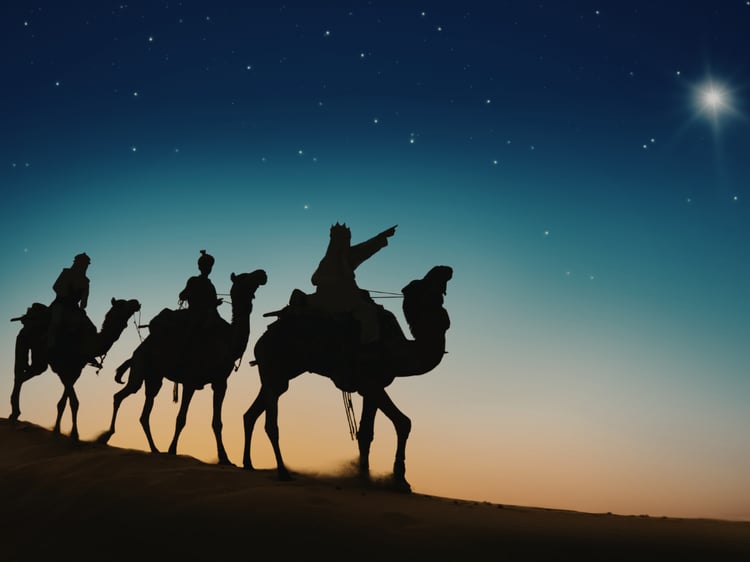
Across Spain, Epiphany begins on the evening of January 5, when cities and villages host the vibrant Cabalgata de Reyes. These parades reenact the arrival of the Magi. Elaborate floats, music, and performers in costumes are a common sight. Whether traveling by horse, camel, or creatively decorated platform, the “Three Kings” greet the crowds and toss candies to eager children lining the streets.
Each city and town has it’s own unique traditions. Madrid’s grand televised procession is a contrast to the smaller seaside celebrations in Cádiz or Palma de Mallorca. The Cabalgata portrays the Magi’s journey in a way that invites families to enter the story themselves across the country.
Gifts, Shoes, and Small Acts of Generosity
On the night of January 5, Spanish children carefully place their shoes in a special spot at home, hoping they’ll be filled with sweets or small gifts from the “Kings.” Families may also leave out water or treats for their camels, a thoughtful and hospitable gesture. Gift-giving is a cherished part of Reyes, a tradition that reminds of the generosity of the Magi and the desire to honor Christ with their best gifts.
Roscón de Reyes: A Sweet Symbol of the Feast
Epiphany celebrations aren’t complete without the Roscón de Reyes, a crown-shaped sweet bread decorated with candied fruit that symbolically recalls the jewels of a royal crown. Traditionally, hidden inside the bread are two surprises: a small figurine and/or a dried bean. Finding the figurine brings good luck; the bean’s finder must buy next year’s roscón.
Roscón de Reyes: A Sweet Symbol of the Feast
Epiphany celebrations aren’t complete without the Roscón de Reyes, a crown-shaped sweet bread decorated with candied fruit that symbolically recalls the jewels of a royal crown. Traditionally, hidden inside the bread are two surprises: a small figurine and/or a dried bean. Finding the figurine brings good luck; the bean’s finder must buy next year’s roscón.
Catechetical Connection
The customs of Reyes offers opportunities for spiritual reflection. The gifts of the Magi invite conversations with children about the spiritual “gifts” they themselves can offer: time in prayer, acts of kindness, or helping someone in need.
What Epiphany Means for Catholic Families and Catechists
Epiphany stands as a reminder that the search for Christ requires intention, openness, and wonder. For children, the feast provides a vivid example of how God guides hearts toward truth, sometimes in surprising ways.
For families, Reyes extends the joy of Christmas season, helping children understand that the story of Christ’s birth continues unfolding long after December 25. For catechists, Epiphany opens opportunities to explore Scripture, discuss cultural traditions within Spain and worldwide, and deepen students’ appreciation for how faith is expressed through community celebrations.
Key themes to explore with children include:
- Jesus as King and Light for all peoples
- The humility and perseverance of the Magi
- Spiritual gifts we can offer Christ every day
- The unity of the Church expressed through liturgy and tradition
Ideas to Celebrate Reyes with Catholic Kids
Bless the Home or Classroom
Use blessed chalk to inscribe the Epiphany blessing on the doorway: 20 + C + M + B + [year]
The letters recall the Magi (Caspar, Melchior, Balthazar) and the Latin prayer Christus Mansionem Benedicat, meaning “Christ bless this home.” It is a simple way to mark the new year with prayer in the home or classroom.
Reenact the Journey of the Magi
Invite children to create paper crowns, dress as the Three Kings, and “travel” to a nativity scene while offering symbolic gifts such as a kind deed, a prayer, or a promise to help others.