1.800.221.5175
Catechetical Programs
Christ In Us Grades K–8
Parish, K–8
School, K–8
Bilingual, K–6
We Believe: Living Your Catholic Identity Grades K–8
Parish
School
Full Access
Bilingual, K–6
Bilingual, 7–8
One Faith, One Lord Grades 7–Adult
English
Bilingual
Our Catholic Faith Grades 4–6
English
Bilingual
God’s Own Making
Grades 4-8
We Believe: Discovering God
PreK/Ages 3–5
Between You and Your Child
English
Spanish
Catechetical Bilingual
Cristo en nosotros
Cursos 1–6
Creemos Identidad católica
Cursos K–6
Vivimos nuestra fe
Cursos 7–8
Nuestra fe católica
Cursos 4–6
Una sola fe, un solo Señor
Cursos 7–Adulto
Entre usted y sus hijos
Cursos K–8
Sacraments Programs
Believe • Celebrate • Live | Bilingual Edition Ages 7–15
Reconciliation Primary
Eucharist Primary
Reconciliation & Eucharist Intermediate
Confirmation Restored Order
Confirmation
We Believe and Celebrate
Baptism
Spanish Edition
Prayer Books
My Reconciliation and Prayer Book, Ages 7–9
Mi Reconciliación y libro de oración, Edades 7–9
My Mass Book, Ages 7–9
Mi libro de la Misa, Edades 7–9
We Believe and Pray, Grades 4–6
Sacraments Bilingual
Creer • Celebrar • Vivir Edades 7–15
Reconciliación Primaria
Eucaristía Primaria
Reconciliación y Eucaristía Intermedio
Confirmación Restauración del orden sacramental
Confirmación
Creemos y celebramos
Bautismo
Libros de oración
Mi Reconciliación y libro de oración, Edades 7–9
Mi libro de la Misa, Edades 7–9
Lifelong Faith
Bible Resources
The Compass Bible for Catholic Teens
YOUCAT: Youth Catechism of the Catholic Church
YOUCAT: Catecismo Joven de la Iglesia Católica
La Biblia católica para jóvenes
Adult Resources
Becoming a Parish of Mercy
Catechism
United States Catholic Catechism for Adults
General Directory for Catechesis
Professional Development
Catechetical Learning
Theology of the Body Course
Catholic Identity Course
Resources
English | View All
Catechetical Resources
Virtual Events
Religion Blog
Catechetical Downloads
Videos
Liturgical Seasons
CHATechesis Podcast
Bilingual | ver todos
Recursos catequéticos
Eventos Virtuales
Blog de Sadlier Religion
Descargas Catequéticas
Videos
sadlierReligion Hero-1.png

October 29, 2025 REL Topic - Catechesis, REL PD - Catechist, REL PD - Leaders, REL Topic - Methodology

Honoring Life and Faith: Día de los Muertos in Catholic Tradition

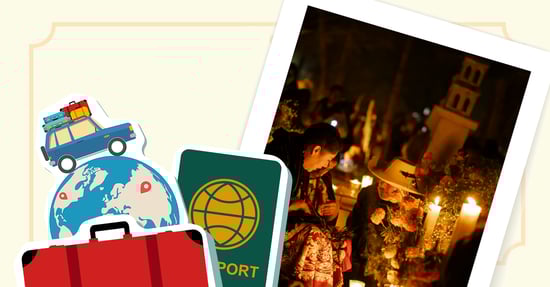
Have you been joining us on our journey to celebrate Catholic celebrations and traditions around the world? This special series is designed for Catholic families and schools to introduce kids to the inspiring traditions that unite us as a vibrant, worldwide Catholic Church. Bring along your My Catholic Passport and collect your special passport stamps as you learn about this month’s destination: Mexico, exploring the Catholic roots of the colorful commemoration of Dia de los Muertos, Day of the Dead.

Sadlier Religion Blog Title Image_Día de los Muertos in Catholic Tradition


Introduction: A Joyful Tradition of Faith, Family, and Remembrance

In this article, you’ll explore the vibrant and faith-filled celebration of Día de los Muertos (Day of the Dead) as it’s lived in Mexico and other parts of Latin America. While often mistaken for Halloween, this deeply Catholic cultural tradition draws from both Indigenous and Christian roots and centers on the sacred remembrance of loved ones who have passed away. You’ll learn what Día de los Muertos looks like in practice, how it reflects Catholic beliefs about eternal life and the Communion of Saints, and why celebrating it with children and students can deepen their understanding of All Saints’ Day and All Souls’ Day.

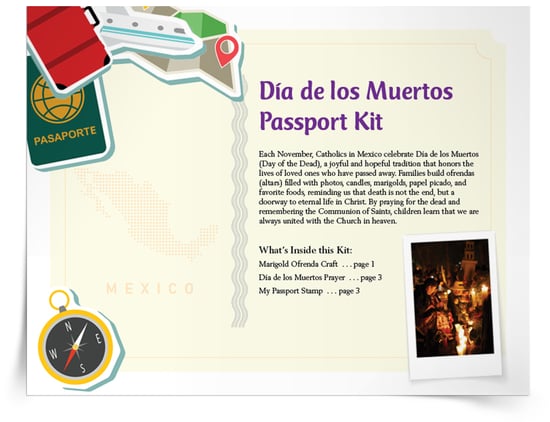
Día de los Muertos Passport Kit

Craft a marigold ofrenda, say a short prayer, and get your country of Mexico stamp for your Catholic passport in this printable activity kit for Catholic kids and families.

REL_DL_El_Dia_de_los_Muertos_FinalThumb

Download Now


What is Día de los Muertos?

Día de los Muertos, or the Day of the Dead, is a multi-day celebration that blends Catholic theology with Indigenous rituals of remembrance. The two principal days align with the Church’s Solemnity of All Saints and the Commemoration of All the Faithful Departed—All Saints’ Day (November 1) and All Souls’ Day (November 2). Rather than mourning death, Día de los Muertos expresses a hopeful, joy-filled reverence for life after death, grounded in Catholic teaching on the Resurrection.

Día de los Muertos is celebrated in Mexico and in communities throughout the world with Mexican heritage.

01B_25_email3_WB_Muertos_Bil_

How Catholics Celebrate Día de los Muertos

In Mexico and communities with Mexican heritage around the world, Día de los Muertos is a cherished Catholic tradition that blends Indigenous customs with the Church’s teachings on eternal life. The celebration focuses on remembering and praying for loved ones who have passed away, especially during All Saints’ Day and All Souls’ Day.

Key Elements

  • Dates: November 1 (Día de los Angelitos, for children) and November 2 (for adults)
  • Scripture Readings: Romans 6:8, Revelation 7:9-17, 1 Thessalonians 4:13-18
  • Prayers: Eternal Rest Prayer, Hail Mary, Our Father

Cultural Traditions

Here are some of the traditions you might see during Día de los Muertos in Mexico:

  • Ofrendas (Altars): Families set up altars at home and in cemeteries, decorated with photos, candles, marigolds (cempasúchil), papel picado, and favorite foods of the deceased. Each element symbolizes remembrance, prayer, and the connection between heaven and earth.
  • Processions and Music: Communities gather for Mass, visit graves, and participate in processions. Children and adults may carry candles, sing hymns, and play traditional music, creating a joyful atmosphere of faith and celebration.
  • Symbolic Foods and Decorations: Pan de muerto (bread of the dead) and sugar skulls are baked and shared, while papel picado banners flutter above altars, representing the thin veil between the living and the dead. Marigolds’ bright colors and scent are believed to guide souls back to their families.
  • Family and Community Gatherings: Families come together to pray, share meals, tell stories about loved ones, and pass on traditions to younger generations. These gatherings reinforce Catholic teachings about the Communion of Saints and the hope of the Resurrection.

The Catholic Meaning Behind the Celebration

Far from being morbid or macabre, Día de los Muertos embodies a key teaching of our faith: death is not the end. As the Catechism reminds us:

“The Church, in the Eucharist, joins with the heavenly Church and intercedes for the souls of the departed, hoping for their entrance into the joy of heaven.” (CCC 1370)

The Church, in the Eucharist, joins with the heavenly Church and intercedes for the souls of the departed, hoping for their entrance into the joy of heaven. (CCC 1370)

This celebration offers children and adults alike a tactile, meaningful way to grasp:

  • The Communion of Saints—our ongoing unity with those who have gone before us
  • The power of praying for the dead, especially those in Purgatory
  • The joy of eternal life and the Christian hope of the Resurrection

Día de los Muertos can be a rich catechetical tool. It provides an example of the way we as Catholics pray for souls on November 2, how saints intercede for us, and how remembering the dead keeps them close in faith.

“If we have died with Christ, we believe that we shall also live with him.” (Romans 6:8)

Cultural Expressions of Faith

In Mexican Catholic culture, faith and festivity go hand in hand. Schools, parishes, and town squares come alive with:

  • Processions featuring icons of saints and the Virgin Mary
  • Altars to saints and ancestors, placed in homes and classrooms
  • Pan de muerto (bread of the dead) shaped in symbolic designs and shared in fellowship
  • Papel picado (cut tissue banners) that symbolize the veil between heaven and earth
  • Marigolds, whose scent is believed to guide souls to their loved ones
  • Music and storytelling about saints and deceased family members

These traditions are about memory but they are also acts of evangelization and family formation, passed down through generations.

Why Día de los Muertos Matters for the Universal Church

Celebrations like Día de los Muertos remind us that faith is incarnated in every culture, allowing the Gospel to take root in unique, beautiful expressions.

For the universal Church, Día de los Muertos:

  • Affirms the unity of all Catholics, living and dead
  • Enriches global liturgical life with cultural color and depth
  • Calls us to a more holistic view of death, rooted in Resurrection
  • Emphasizes evangelization through culture, a key theme of modern Church teaching

As Pope Francis said:

“Popular piety is a genuine expression of the faith of the people. It is a true treasure of the Church.” (Evangelii Gaudium, 126)

By embracing Catholic cultural traditions like Día de los Muertos, we open young hearts to the mystery of heaven in ways that are tangible, memorable, and joy-filled.

Ways to Celebrate

Celebrating Día de los Muertos with children offers a meaningful way to connect faith, family, and culture. Whether at home or in the classroom, these practices help kids understand Catholic teachings about eternal life, honor the memory of loved ones, and experience the joy of being part of the Communion of Saints.

At Home

  • Build an ofrenda with your children, including photos of saints and family members
  • Read or tell stories about the lives of the saints and family members
  • Bake pan de muerto or create colorful papel picado decorations
  • Pray the Eternal Rest prayer
  • Attend Mass

In the Classroom

  • Create a class ofrenda featuring photos of saints and students’ family members
  • Share stories of saints and holy figures to connect faith and tradition
  • Engage students in crafts such as decorating papel picado or making small pan de muerto replicas
  • Include prayers and reflections during All Saints’ and All Souls’ week
  • Use the celebration as a lesson in Catholic beliefs about life, death, and the Resurrection

Conclusion: Faith That Remembers

Día de los Muertos is not just about honoring those who came before, but also deepening our Catholic identity and remembering Catholics are people of hope, bound together across time in the Body of Christ. By teaching children, families, and classrooms about this celebration, we reflect on the Catholic view of life, death, and the Resurrection.

Don’t miss our blog posts on Meskel: The Feast of the Holy Cross and the Assumption of Mary to get your My Catholic Passport stamps for these celebrations in Ethiopia and Lebanon!