1.800.221.5175
Catechetical Programs
Christ In Us Grades K–8
Parish, K–8
School, K–8
Bilingual, K–6
We Believe: Living Your Catholic Identity Grades K–8
Parish
School
Full Access
Bilingual, K–6
Bilingual, 7–8
One Faith, One Lord Grades 7–Adult
English
Bilingual
Our Catholic Faith Grades 4–6
English
Bilingual
God’s Own Making
Grades 4-8
We Believe: Discovering God
PreK/Ages 3–5
Between You and Your Child
English
Spanish
Catechetical Bilingual
Creemos: Descubriendo a Dios
Edades 3–5
Creemos Identidad católica
Cursos K–6
Cristo en nosotros
Cursos 1–6
Vivimos nuestra fe
Cursos 7–8
Nuestra fe católica
Cursos 4–6
Una sola fe, un solo Señor
Cursos 7–Adulto
Entre usted y sus hijos
Cursos K–8
Sacraments Programs
Believe • Celebrate • Live | Bilingual Edition Ages 7–15
Reconciliation Primary
Eucharist Primary
Reconciliation & Eucharist Intermediate
Confirmation Restored Order
Confirmation
We Believe and Celebrate
Baptism
Spanish Edition
Prayer Books
My Reconciliation and Prayer Book, Ages 7–9
Mi Reconciliación y libro de oración, Edades 7–9
My Mass Book, Ages 7–9
Mi libro de la Misa, Edades 7–9
We Believe and Pray, Grades 4–6
Sacraments Bilingual
Creer • Celebrar • Vivir Edades 7–15
Reconciliación Primaria
Eucaristía Primaria
Reconciliación y Eucaristía Intermedio
Confirmación Restauración del orden sacramental
Confirmación
Creemos y celebramos
Bautismo
Libros de oración
Mi Reconciliación y libro de oración, Edades 7–9
Mi libro de la Misa, Edades 7–9
Lifelong Faith
Bible Resources
The Compass Bible for Catholic Teens
YOUCAT: Youth Catechism of the Catholic Church
YOUCAT: Catecismo Joven de la Iglesia Católica
La Biblia católica para jóvenes
Adult Resources
Becoming a Parish of Mercy
Catechism
United States Catholic Catechism for Adults
General Directory for Catechesis
Professional Development
Catechetical Learning
Theology of the Body Course
Catholic Identity Course
Resources
English | View All
Catechetical Resources
Virtual Events
Religion Blog
Catechetical Downloads
Videos
Liturgical Seasons
CHATechesis Podcast
Bilingual | ver todos
Recursos catequéticos
Eventos Virtuales
Blog de Sadlier Religion
Descargas Catequéticas
Videos
sadlierReligion Hero-1.png

February 26, 2026 REL Asset - Activity, REL Catechetical - K–6, REL Catechetical - Jr High, REL Topic - Catechesis, REL Catechetical - Early Childhood, REL Topic- Inclusion, REL Topic- Blended Learning, REL Topic- Assessment, REL Catechetical - Adult, REL Catechetical - Intergenerational, REL Asset - Handout, REL PD - Catechist, REL PD - Leaders

Pastoral Care in Challenging Times: Supporting Ourselves and Our Students

In our homes, classrooms, and parishes, we as parents, catechists, and leaders are called to care for both the minds and hearts our students. In times of division, disruption, or violence, responding to this call is especially urgent. The world can sometimes feel uncertain, and children often see or sense tensions they may not fully understand. As Catholic educators and leaders, we have a unique opportunity to provide a calm, guiding presence, helping students navigate difficulties with faith and resilience. This article explains pastoral care and offers strategies for the home, school, or parish setting.

Sadlier Religion Blog Title Image_Pastoral Care in Challenging Times

What Pastoral Care Means  

In the Catholic tradition, “pastoral care” is not limited to priests or bishops. It is a calling for all baptized Christians. It involves offering guidance, comfort, and support to those in need, whether spiritually, emotionally, or relationally. While clergy provide formal leadership, laypeople, catechists, and volunteers also play a vital role in nurturing the well-being of their communities, including the children we serve.

Understanding the Role of Pastoral Care  

Pastoral care is the ongoing practice of attending to the emotional, spiritual, and relational needs of those entrusted to our guidance. In challenging times, students may experience anxiety, fear, confusion, and sadness. These feelings are natural and valid, and addressing them is part of our mission to form whole, compassionate individuals and Church members.

Providing pastoral care means creating an environment where students feel safe to express themselves and supported in ways that align with our Catholic values. It also means caring for ourselves and each other, so that we can respond with clarity, patience, and empathy.

Practical Pastoral Strategies  

Create a Safe and Predictable Environment

Children thrive when they know what to expect. As much as possible, maintain consistent routines and clear expectations in your home, classroom, or parish programming. Even when discussing difficult topics or during times of trauma or tragedy, a sense of structure and stability helps students (and families!) feel secure. Start days or gatherings with prayer, reflection, or a calming activity that grounds students and reminds them of God’s presence.

Prayer For Peacemakers Prayer Card

With such massive issues facing us, how does a single individual make a dent in the quest for peace? Begin with prayer! Start your own quest for peace in the home.

prayer-for-peacemakers-prayer-card-750px

Download Now

Descargar ahora

Foster Communication

Encourage students to ask questions or express their thoughts and feelings in safe, respectful ways. This might include discussion circles, or one-on-one conversations. Listen actively, validate children’s emotions. Sometimes, being heard is the most healing step. Let your faith and the Church’s teachings guide your conversations.

Model Calm Compassion

Children are highly attuned to adult reactions. Demonstrating calm, faithful responses to difficult news or situations sets an example for managing emotions with grace. Practice self-awareness and consider prayer, reflection, or brief moments of mindfulness, to maintain composure and presence.

Integrate Faith into Support

Faith provides us with a framework for understanding challenges and finding hope. Share stories from Scripture, saints’ lives, or Church teachings that highlight resilience, forgiveness, and God’s love during times of difficulty. Encourage students to turn to prayer as a source of comfort, strength, and guidance anytime.

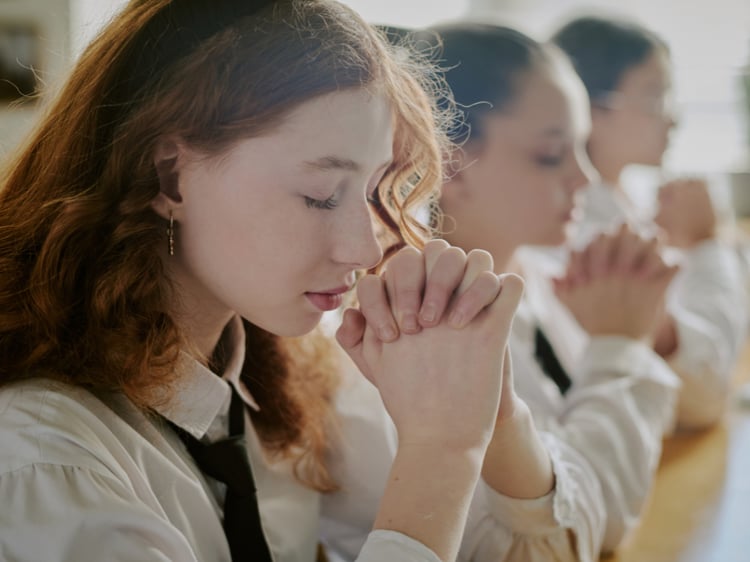
Blog Image Pastoral Care in Challenging Times

How to Talk with Children About Difficult Times

Conversations about challenges—whether personal, local, or global—can be delicate. Here are strategies for age-appropriate, faith-centered discussions:

Be Honest but Gentle

Children do not need all the details, but they deserve truthful answers that match their age and understanding. Avoid oversharing or projecting adult anxieties. For younger children, simple phrases such as, “Some things can feel hard right now, but God is with us,” can be enough. Older students can engage in more nuanced discussions, exploring questions of social justice, morality, and hope. Communication and collaboration among parents and teachers about how and when tough topics are being discussed is essential.

Focus on Values and Faith

Center conversations on core Catholic values such as compassion, empathy, respect, and service. Help students see ways they can live these values even when circumstances feel challenging. For example, acts of kindness toward family, friends, or community members can reinforce agency and hope. If your community can safely and effectively respond to a challenging situation with service, plan to do so.

Encourage Questions and Reflection

Invite students to ask questions and express doubts. Some may be silent or hesitant; provide multiple ways to engage, such as written reflections, art, or prayer journals. Respect individual responses and emphasize that questioning is a natural part of faith development.

Provide Practical Steps

Offer concrete actions children can take when feeling worried or upset, such as:

  • Saying a short prayer for peace or guidance.
  • Talking to a trusted adult when feeling scared or confused.
  • Engaging in a calming activity, like deep breathing.
  • Helping others through small acts of service.

Supporting Yourself as a Parent, Educator, or Leader

Pastoral care is demanding, and maintaining your own well-being is essential. No matter our age or position, challenging times challenge us all. Consider these practices:

Spiritual Nourishment

Regular prayer, meditation, and Scripture reading can strengthen resilience and provide clarity when supporting others. Attending Mass, participating in retreats, or joining prayer groups can offer renewal and solidarity with fellow Catholic parents and educators.

Regular prayer, meditation, and Scripture reading can strengthen resilience and provide clarity when supporting others.

Professional and Peer Support

Do not hesitate to reach out to colleagues, mentors, or parish staff for advice or emotional support. Sharing experiences and strategies can reduce isolation and provide practical guidance for handling and navigating challenging situations.

Self-Care Routines

Even brief, daily routines can sustain your energy. This might include a daily reflection or attending Mass. Prioritizing physical, emotional, and spiritual health ensures you can meet students’ needs with compassion and clarity.

Resources for Educators and Families 

Try these tools can assist in pastoral care and faith-centered discussions:

Creating a Culture of Hope  

By modeling faith, empathy, and resilience, we help students see that challenges, however unavoidable, can be met with courage, prayer, and support. Encouraging a culture of kindness, active listening, and service empowers children to grow not only academically but spiritually and emotionally.

When children see adults respond with calm and compassion, they learn that difficulties do not define them and that God’s love and guidance remain constant. Our role as Catholic parents, educators, and leaders is to walk alongside children, providing tools, encouragement, and the example of a faith-filled life, so that they can navigate life’s challenges with hope and confidence.