1.800.221.5175
Catechetical Programs
Christ In Us Grades K–8
Parish, K–8
School, K–8
Bilingual, K–6
We Believe: Living Your Catholic Identity Grades K–8
Parish
School
Full Access
Bilingual, K–6
Bilingual, 7–8
One Faith, One Lord Grades 7–Adult
English
Bilingual
Our Catholic Faith Grades 4–6
English
Bilingual
God’s Own Making
Grades 4-8
We Believe: Discovering God
PreK/Ages 3–5
Between You and Your Child
English
Spanish
Catechetical Bilingual
Cristo en nosotros
Cursos 1–6
Creemos Identidad católica
Cursos K–6
Vivimos nuestra fe
Cursos 7–8
Nuestra fe católica
Cursos 4–6
Una sola fe, un solo Señor
Cursos 7–Adulto
Entre usted y sus hijos
Cursos K–8
Sacraments Programs
Believe • Celebrate • Live | Bilingual Edition Ages 7–15
Reconciliation Primary
Eucharist Primary
Reconciliation & Eucharist Intermediate
Confirmation Restored Order
Confirmation
We Believe and Celebrate
Baptism
Spanish Edition
Prayer Books
My Reconciliation and Prayer Book, Ages 7–9
Mi Reconciliación y libro de oración, Edades 7–9
My Mass Book, Ages 7–9
Mi libro de la Misa, Edades 7–9
We Believe and Pray, Grades 4–6
Sacraments Bilingual
Creer • Celebrar • Vivir Edades 7–15
Reconciliación Primaria
Eucaristía Primaria
Reconciliación y Eucaristía Intermedio
Confirmación Restauración del orden sacramental
Confirmación
Creemos y celebramos
Bautismo
Libros de oración
Mi Reconciliación y libro de oración, Edades 7–9
Mi libro de la Misa, Edades 7–9
Lifelong Faith
Bible Resources
The Compass Bible for Catholic Teens
YOUCAT: Youth Catechism of the Catholic Church
YOUCAT: Catecismo Joven de la Iglesia Católica
La Biblia católica para jóvenes
Adult Resources
Becoming a Parish of Mercy
Catechism
United States Catholic Catechism for Adults
General Directory for Catechesis
Professional Development
Catechetical Learning
Theology of the Body Course
Catholic Identity Course
Resources
English | View All
Catechetical Resources
Virtual Events
Religion Blog
Catechetical Downloads
Videos
Liturgical Seasons
CHATechesis Podcast
Bilingual | ver todos
Recursos catequéticos
Eventos Virtuales
Blog de Sadlier Religion
Descargas Catequéticas
Videos
sadlierReligion Hero-1.png

December 14, 2025 REL Topic - Catechesis, REL PD - Catechist, REL PD - Leaders, REL Topic - Methodology

Simbang Gabi: A Joyful Filipino Tradition of Faith, Light, and Community

As Advent prepares hearts for the coming of Christ, Catholics around the world celebrate traditions that illuminate faith and foster joyful anticipation. One of the most beloved among Filipino Catholics is Simbang Gabi. This novena of pre-dawn Masses fills churches with music, light, and devotion in the nine days leading to Christmas.

Rooted in centuries of faith, Simbang Gabi is both a spiritual preparation for the Nativity and a vivid expression of community life. For families and catechists, it offers a beautiful reminder that the best way to prepare for Christ’s coming is through prayer, sacrifice, and joyful participation in the life of the Church. Bring your My Catholic Passport and travel with us to the Philippines for this month’s global faith feature.

Sadlier Religion Blog Title Image_Simbang_Gabi_ENG


What Is Simbang Gabi?

Simbang Gabi—which means “Night Mass” in Tagalog—is a series of nine liturgical celebrations traditionally held at dawn from December 16 to December 24. The novena culminates on Christmas Eve with the Misa de Gallo (“Mass of the Rooster”), welcoming the birth of Christ at daybreak.

Though its name suggests “night,” these liturgies begin before sunrise, symbolizing the Church’s watchful waiting for the Light of the World. Attending all nine Masses is considered a special act of devotion, often offered as thanksgiving or in petition for personal intentions.

Historical Origins of a Beloved Tradition

The custom of Simbang Gabi dates back to the 1600s, during the Spanish colonial period in the Philippines. At that time, farmers asked local priests to hold Masses earlier in the morning so they could attend before beginning work in the fields. Missionaries responded by celebrating the liturgy at dawn. This gesture honored the people’s devotion and daily labor.

Over time, this practical adaptation became a treasured expression of faith. Church bells rang out before dawn, calling entire villages to prayer, while lanterns lit the way through dark streets. The tradition remains deeply rooted in Filipino life, connecting generations in shared faith and cultural pride.

Today, Simbang Gabi continues not only in parishes across the Philippines but also in Filipino communities around the world, from California to Dubai, bringing the warmth of Filipino faith wherever families gather.

Key Elements

  • Dates: December 16–24 (nine consecutive days leading up to Christmas Eve)
  • Scripture Readings: Gospel readings of the day during Advent, focusing on preparation, joy, and the coming of the Messiah (e.g., Luke 1:26–38; Luke 1:39–56; Matthew 1:18–25)
  • Prayers: The Lord’s Prayer; Hail Mary; prayers of joyful expectation for the coming of Christ
  • Symbols: Paról (star lantern), candles, dawn light, and festive music that anticipates the birth of Jesus

These elements remind the faithful that Christ, the true Light, enters a waiting world and that Advent is a season of both hope and action.

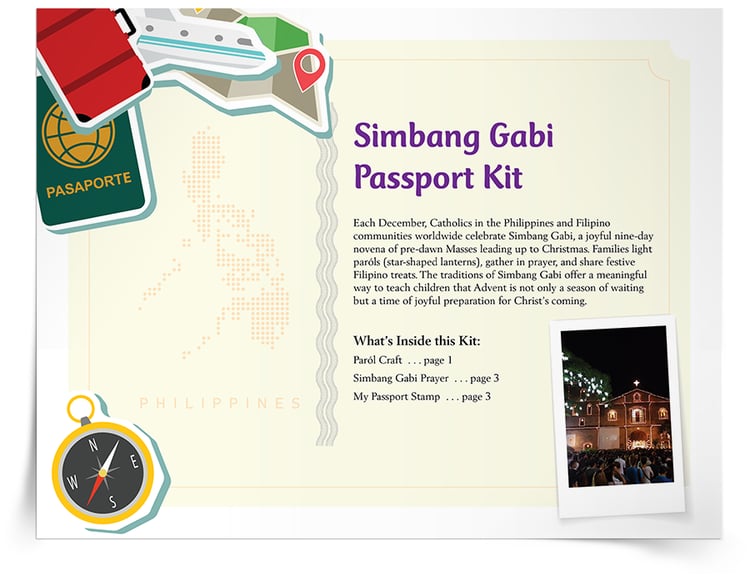
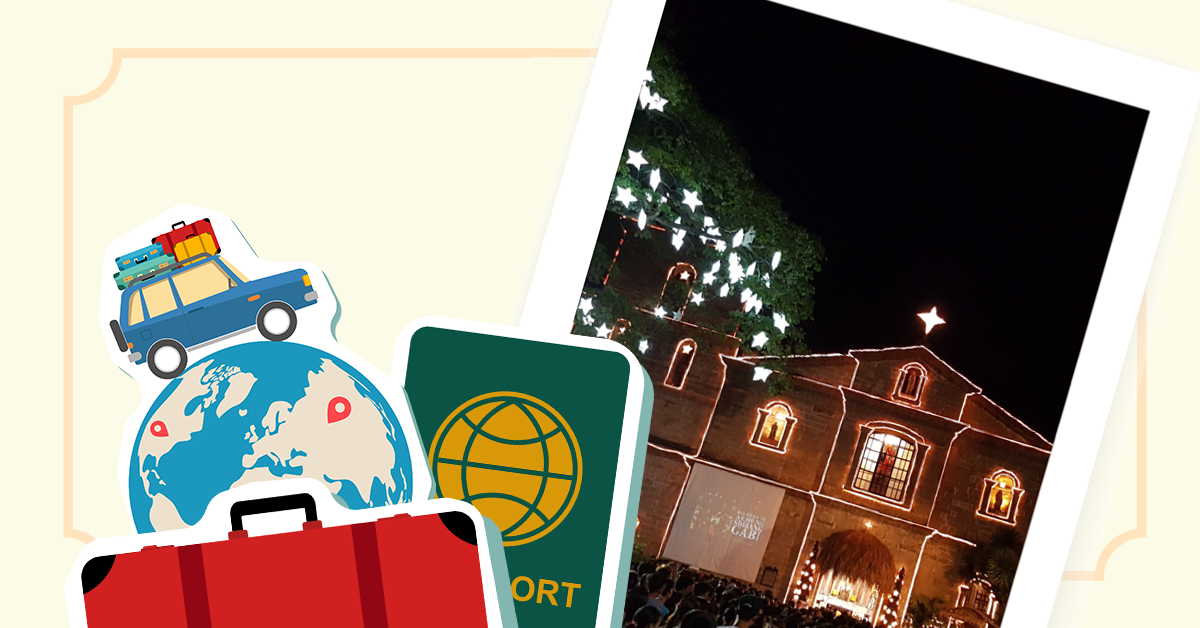
Simbang Gabi Passport Kit

Craft a paról, pray a special prayer, and get your Philippines stamp for your Catholic passport in this printable activity kit for Catholic kids and families.

REL_SP_DL_Simbang_Gabi_FinalThumb

Download Now


Lanterns of Light and Symbols of Hope

One of the most recognizable signs of Simbang Gabi is the paról, a star-shaped lantern crafted from bamboo and colorful paper or capiz shells. The paról represents the Star of Bethlehem and serves as a beacon of faith, guiding the faithful toward the coming of Christ.

Families often make or hang paróls outside their homes, and children delight in carrying their own during Advent processions. Lighting the lantern each night becomes a cherished family ritual and an act of prayer that reflects the joy and hope of the season.

Community and Shared Celebration

Following each dawn Mass, parish courtyards fill with laughter, song, and the aroma of traditional Filipino delicacies. Sharing food after worship is part of the celebration’s warmth and hospitality. Common treats include:

  • Bibingka: soft rice cakes baked in banana leaves
  • Puto bumbóng: purple rice cakes steamed in bamboo tubes and topped with butter and coconut
  • Salabát: hot ginger tea that warms hands and hearts after the early morning chill

These communal moments strengthen bonds among neighbors and generations, reminding all that faith is not only professed but lived in fellowship, generosity, and joy.
REL_DL_email_SimbangGabiPassportKit

The Meaning of Simbang Gabi for Families and Catechists

For Catholic families, Simbang Gabi offers a powerful lesson in joyful sacrifice. Rising before dawn to attend Mass or setting aside time for morning prayer teaches children the value of giving God the first moments of their day.

Catechists can use Simbang Gabi as a meaningful way to introduce themes of Advent such as:

  • Hope and light amid darkness
  • The joy of anticipation and preparation
  • The universality of the Church, expressed through diverse cultures

Learning about celebrations such as Simbang Gabi helps young Catholics come to understand that faith is alive and beautiful in every corner of the world.

Bringing Simbang Gabi to Your Home or Classroom

Even outside the Philippines, families and educators can adapt the spirit of Simbang Gabi through simple, faith-filled practices:

For Families

Learning about Simbang Gabi can inspire families to:

  • Light a paról or candle each night from December 16–24 as part of family prayer.
  • Read the Gospel of the day or offer a brief Advent reflection together.
  • Prepare Filipino foods such as bibingka or puto bumbóng as a festive reminder of global Catholic unity.
  • Attend an early morning or evening Mass, or participate in an online Filipino liturgy.

For Catechists

In a religious education setting, this feast is a perfect opportunity to:

  • Introduce Simbang Gabi in Advent lessons to highlight Catholic diversity.
  • Have students design paper paróls and write prayers or intentions on them.
  • Create an “Advent Around the World” display featuring Simbang Gabi alongside other cultural celebrations.
  • Invite Filipino parishioners or parents to share stories or songs from the tradition.

Enriching the Universal Church

Simbang Gabi beautifully illustrates how the Catholic faith takes root in diverse cultures while remaining united in its central mystery: Christ’s coming into the world. Its light bridges oceans, connecting families all over the world in shared joy and expectation.

This Filipino devotion invites Catholics everywhere to embrace Advent as a time of both contemplation and celebration: a call to rise early, open hearts wide, and prepare a place for Emmanuel, God with us.

Christ Is Coming: Let Us Rise to Meet Him

Simbang Gabi reminds us that faith is alive in the quiet hours before the world awakes that Christ comes to those who watch and wait in hope.

For families and catechists, this tradition is a living catechesis: a joyful invitation to make Advent radiant with prayer, light, and love. Wherever you are this December, may your days be illuminated by the same steadfast faith that shines in every paról, proclaiming: Maranatha! Come, Lord Jesus!

Where in the world are you celebrating your Catholic faith? Tag @SadlierReligion and #MyCatholicPassport to share your Catholic passport pages and your adventures in faith.